Most people do not run out of money because of one big purchase. It goes in small pieces: a ₹40 tea here, a ₹250 auto ride there, a recharge, a quick snack order. None of these feel important on their own, and that is exactly why they are hard to notice at the end of the month.
Tracking daily expenses fixes this. Not with a complicated budget, but with a habit simple enough that you keep doing it after the first week. This guide shows you how.
Why most people stop tracking after a few days
Almost everyone starts with enthusiasm and quits within ten days. The reasons are usually the same:
- It takes too long. If writing one expense takes a minute, you will skip it when you are busy.
- Too many categories. Thirty categories means thinking every time you add an entry.
- No payoff. If you never look at the numbers, the effort feels pointless.
- Missed entries pile up. After three missed days it feels easier to give up than to catch up.
A good system solves all four: fast entry, few categories, a weekly look at the numbers, and permission to be imperfect.
Step 1: Record every expense within a minute of paying
The best time to write down an expense is right after you pay, while the amount is still in your head. Waiting until night means you will forget the small ones, and small ones are the whole point.
Keep it short. You only need three things: the amount, the category and, if it helps, a two-word note such as “Ravi birthday” or “AC repair”. Anything more and the habit becomes a chore.
Step 2: Use 8 to 10 categories, not 30
Categories should answer one question: where is my money going? For most households in India, these cover nearly everything:
- Groceries and milk
- Food outside and snacks
- Travel and fuel
- Rent and bills (electricity, gas, mobile, internet)
- Health and medicine
- EMIs and loan payments
- Shopping and personal
- Family, gifts and functions
- Education
- Other
If one category keeps getting very large, split it later. Start broad, get specific only where it matters.
Step 3: Keep cash, bank and UPI separate
Money today sits in three or four places at once: cash in your wallet, your savings account, a UPI app, maybe a credit card. If you track them as one number, the balance never matches reality and you lose trust in your own records.
Track each one as its own account. When you withdraw ₹2,000 from an ATM, that is not an expense. It is a transfer from bank to cash. Recording it this way keeps both balances correct.
Step 4: Write down income too
Expenses only make sense next to income. Salary, business sales, rent you receive, money back from a friend: add these as they come in. At the end of the month you get the number that actually matters, which is how much you kept.
Step 5: Do a 10-minute check every week
Pick one fixed time, for example Sunday evening. Look at three things:
- Total spent this week compared with last week.
- The top two categories. Are they what you expected?
- One thing to change. Just one. “Order food outside twice instead of five times” is enough.
This is where tracking starts to pay you back. Within a month you will spot at least one leak you did not know about.
Step 6: Set a budget only for the categories that hurt
You do not need a budget for everything. Once you have four weeks of data, set limits only for the two or three categories that keep surprising you. A budget for food outside or shopping usually does more than a strict plan for the whole month.
Step 7: Plan for the bills that repeat
Rent, school fees, EMIs, insurance premiums and subscriptions come back every month or year. Add them once as repeating entries with a reminder, so they never catch you off guard and your monthly picture already includes them.
Notebook, spreadsheet or app?
All three work if you use them every day. A notebook is simple but cannot add up totals or show charts. A spreadsheet is powerful but slow on a phone. An expense tracker app is usually the easiest to keep going, because it is always in your pocket and does the maths for you.
If you choose an app, look for these basics: quick entry with a number keypad, separate accounts for cash, bank and UPI, reports by week and month, offline use, and backup you control.
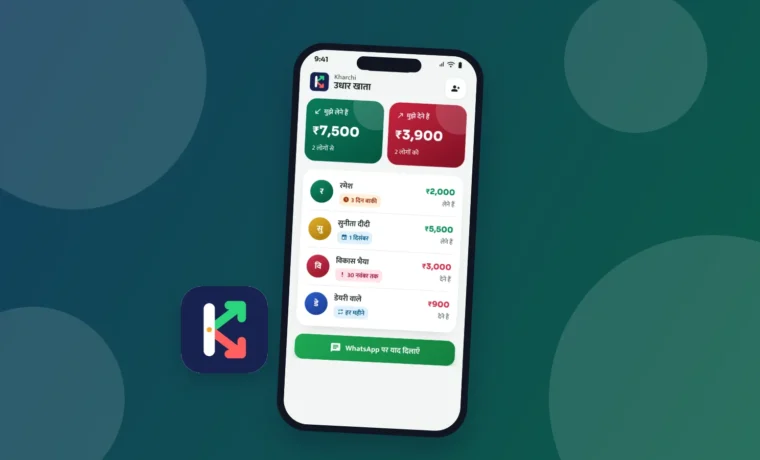
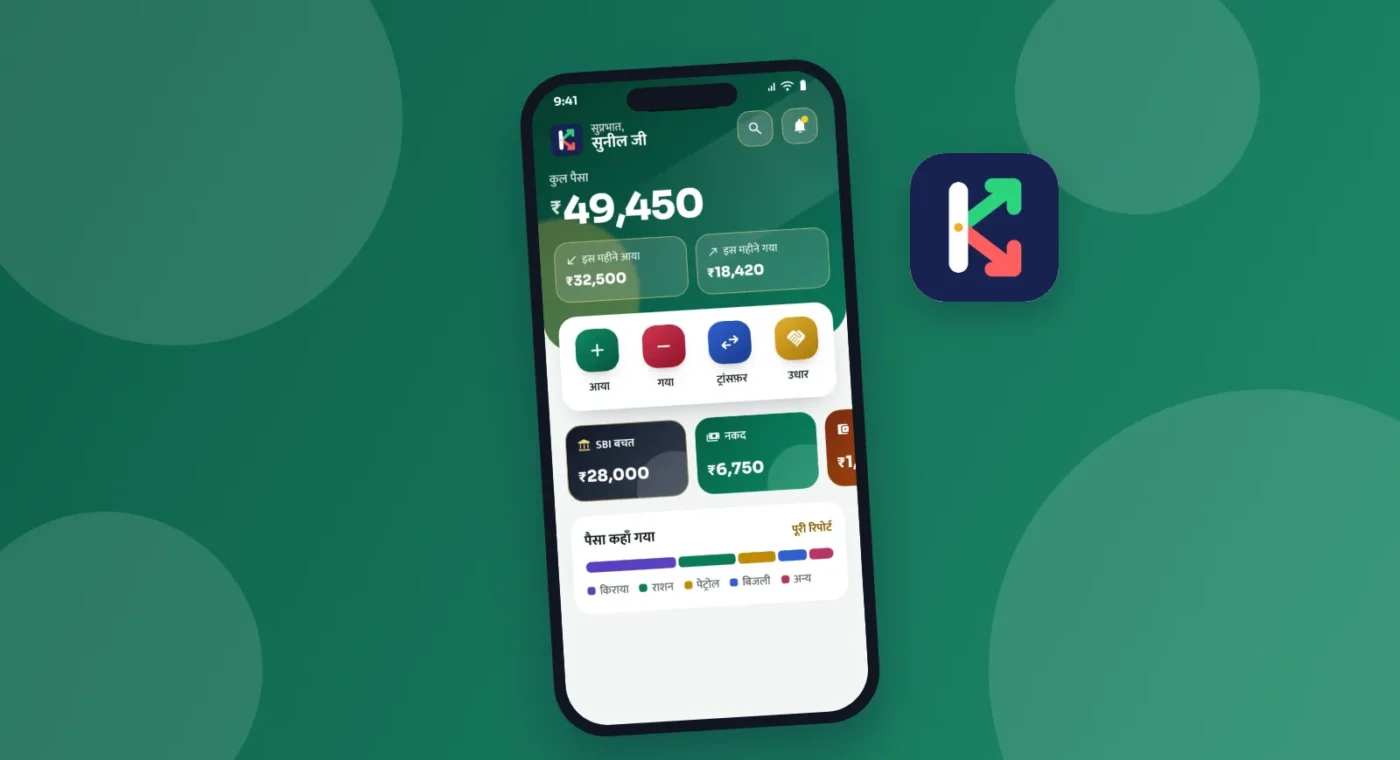
We built Kharchi: Daily Expense Tracker around exactly this routine. It works offline in 26 languages, keeps cash, bank and UPI separate, shows weekly and monthly reports, and backs up to your own Google Drive. It is free on Google Play.
Common mistakes to avoid
- Trying to be perfect. Missing an entry is fine. Add an “unaccounted” entry for the difference and move on.
- Only tracking big expenses. The big ones you already remember. The small ones are what you need to see.
- Never looking at the reports. Without the weekly check, tracking is just typing.
- Changing categories every week. Keep them stable for at least a month so comparisons mean something.
Frequently asked questions
How long before tracking shows results?
Most people notice a clear pattern within two to four weeks. One full month of data is enough to set a realistic budget.
Should I track every ₹10 expense?
Yes, at least for the first month. Small daily spends add up faster than people expect. Once you know your patterns, you can group very small amounts under one entry.
What if my partner also spends from the same money?
Agree on the same categories and record both your expenses in one place, or review both records together during the weekly check.
The short version
Record each expense within a minute, use ten categories, keep cash, bank and UPI apart, note your income, and look at the numbers for ten minutes every week. Do that for one month and you will know exactly where your money goes.